
Gentle Reminders from Above
Sometimes, we need gentle reminders that there’s light shining on us and our life journeys. Especially right now, with so much havoc and uncertainty arising in the world. When we’re feeling weary, or down, it’s helpful to notice what’s going on above our heads.
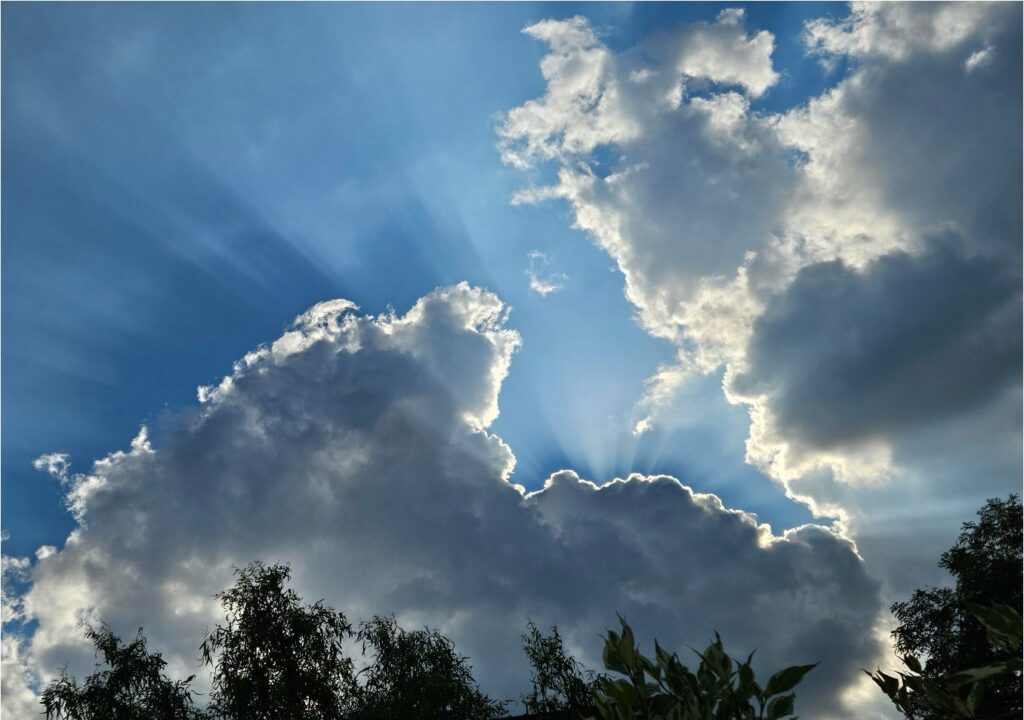
The day I took this picture I was biking through a busy street in Brussels, Belgium, heading home after a strenuous yoga class. As I pedaled uphill, sweating and ready to drop, I glanced at the sky, with its turbulent, dark clouds, and saw rays of sunlight poking through. The scene lifted my mood—and my soul.
A peaceful feeling washed over me. I wanted to capture the moment forever.
As I write these words, I know how cliché this seems. In addition to being a spiritual director, I am an author and creative writing coach, so I normally avoid clichés. But how else to describe the beauty of what I saw?
I snapped this photo to remind myself—and my fellow humans—that there’s a silver lining in nearly all situations. Even on challenging days.
What are your strategies to help you overcome difficult situations? Do you ever search the sky for answers? Can you see the heavens lurking above the clouds? I’d love to hear your thoughts.
Also, if you love to write and are seeking a gentle, compassionate writing community, and if you’d like to awaken your creative flow through intuitive expression, consider joining my next online Mindfulness-Based Creative Writing Workshop: Prompt Your Passion.
For this 90-minute online workshop, participants will focus on the collective inspiration derived from a series of fun and original writing prompts, using poetry and photos. Just bring a pen and notebook… And come as you are!
Date: Friday, April 24th, 2026, from 18:30-20:00pm (CET) / 12:30-2:00pm (EST) / 9:30-11:00 (PT)
Register soon to secure your spot: https://neurodiversity.be/events/prompt-your-passion/
Also, feel free to contact me directly via the website form.
As the snow falls….
As the snow falls for the sixth day in a row, like many of us, I’m tempted to stay inside and ignore the January freeze. However, something nudges me, telling me I’d miss a winter wonderland if I didn’t bundle up and at least peek outside my door.
So, with the temperature at -2 degrees Celsius (feeling like -9), I don my winter jacket, woolen hat, mittens, snow boots, and step into the whiteness.
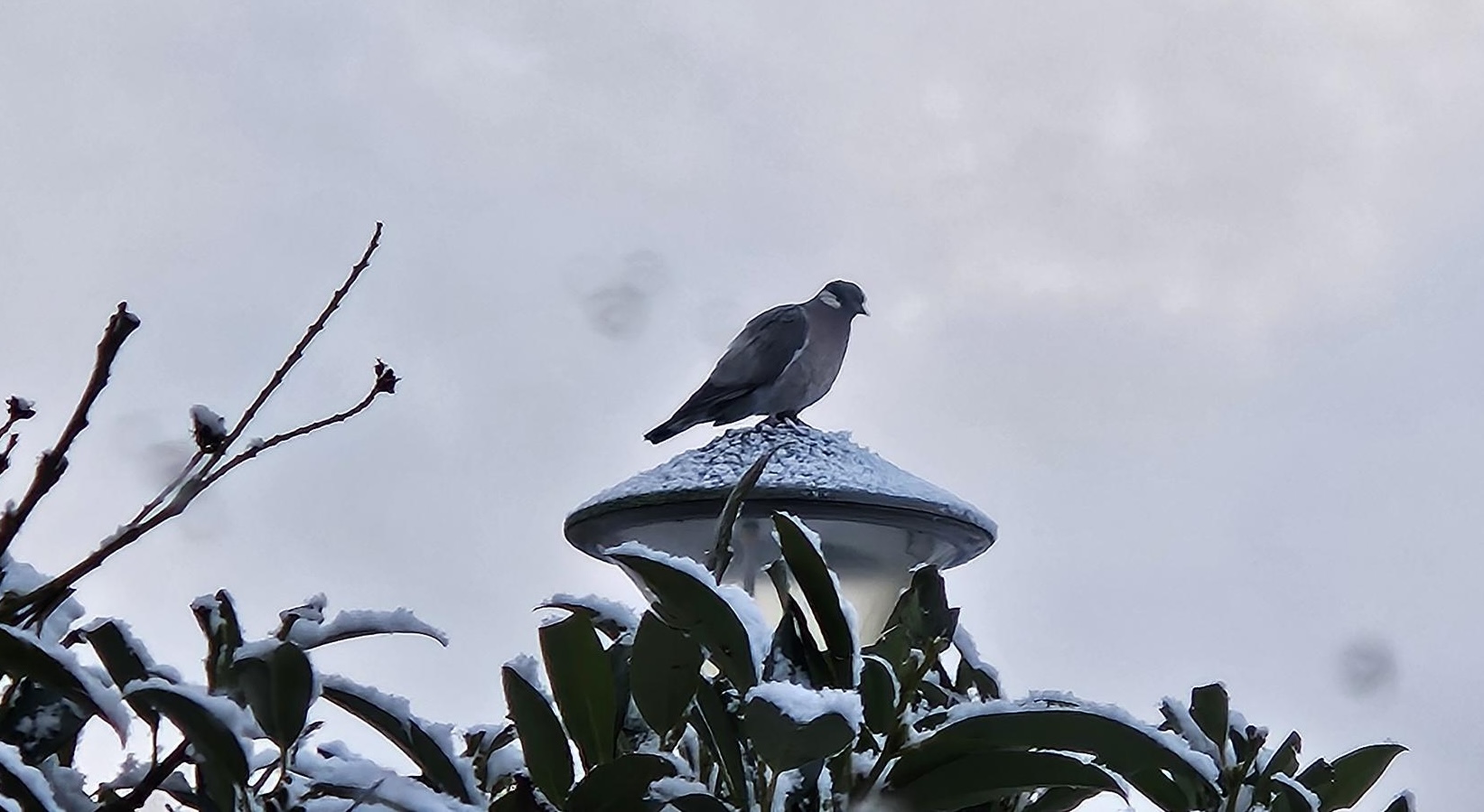
Instantly, a chilly breeze slaps my cheeks. Yet fingers of nascent sun, tinged in orange, creep over frosty bushes, softening the blow. A pigeon teeters on a lamppost. I crack a smile.
There’s nothing like going outside to witness what’s thriving in the world—even for a few precious minutes. Hazarding into the season’s elements, however harsh, changes my perspective. It alters my way of thinking, unlocks my mind, stimulates all my senses.
I inhale the sweetness of snowflakes tumbling from the sky, sliding down my nose. Pure bliss. Even during my workday.
Since I work from home, if I need a moment of silence to reflect on a sensitive issue that a directee has confided in me during a spiritual direction session, walking in nature—or just around the block—opens my eyes, ears, and heart to all kinds of situations. Especially the most unforeseen, challenging ones.
Taking one deliberate step after the other helps me remain mindful, and grounded.
This winter, several family members and friends of loved ones, and directees, have been hospitalized. Some have healed; others are nearing the end or have already transitioned from this world.
At this stage in my life, with each passing day, I feel an even deeper calling to help those who are suffering, to lend a caring, compassionate ear. As if, by being present with them, in person or through online sessions—even over the phone, clear across the world—I could somehow ease their burdens and lift their heavy hearts.
It might not be possible, but I can at least try. We spiritual directors and spiritual companions call on our hearts, minds, and spirits to assist others in our ministry. We are spiritual care providers. As we perform the sacred work that we have chosen with our spiritual directees / companions, we are aware that humans are not in charge of the universe, or of God’s will.
What we can do is offer a sacred, brave, and holy space for our clients to share what enlightens, and burdens, their hearts and souls. We can contemplate, hope, meditate, pray for, and fully listen to our directees, and to the Divine, the Holy, the Universe, or the Higher Source of Wisdom.
Back to today… A slow, steady stroll through my neighborhood—now so familiar, with its many sights, sounds, and smells—cloaked in a pristine, silvery blanket, clears my mind and invigorates my heart. As I reflect on today’s walk, I realize that aiding others, even those I’ll never personally know, is a blessing. The effort brings both a certain heaviness, and a lightness, to my soul.
How do you feel when you step outside—even for a few minutes—to experience the natural elements? Does it help you see more clearly… Discern what means the most to you in life? What blessings are you feeling right now?
Feel free to reach out to me through the contact form on my website. I’d be pleased to hear your thoughts and answer any questions you might have about spiritual direction.
When graced with chilly weather, are you tempted to hibernate?
When I gaze outside my window, I see gray skies and endless fog—typical for late November in Belgium. Yet, surprisingly, only last week it was 14 degrees warmer (in Celsius). Time to pull out my winter socks and thick sweaters and brace myself for the cold.
This morning, as I strolled through the countryside, the chill seeped through my mittens. On the bright side, gusts of wind brought freshness—cleansing the thoughts in my head, which stagnate when I remain too idle.
Sauntering by horses, deer, cows, geese and ducks splashing in streams, I realized that we humans, in our winter clothes, have it easy. For the most part, these animals spend their days and nights bare and unsheltered. They brave the weather. Unlike us, they don’t seem to complain about comfort.
On my way home, I saw cows, horses, and deer lying in the fields. Were they tired, cold, or bored? Since I don’t speak their language, I’ll never know for sure. They appeared to want to hibernate. Sometimes, I want to hibernate, too. Claim my favorite spot on the sofa, pull a fleece blanket up to my ears, shut my eyes—and daydream. Or meditate. Or just let my mind wander and see where it goes.
This practice contrasts what most of us have been taught: as humans, we rely on our minds to perform. We work so hard and make our brains sizzle to get ahead in our careers, lives, and relationships. Sometimes, we need to take well-deserved breaks in our routines. That’s what weekends are for. Yet, often, we still push ahead, trying to fulfil impossible goals, even though we’ve promised ourselves a day of rest.
It takes practice to slow down. It takes practice to let our minds wander. That’s where creativity—and healthy doses of curiosity—show up. So, if you’ve been burning the candle at both ends—working too hard to finish that big project or find the right job—take a break. Restoring your body, brain, and spirit is good medicine.
For years, the practice of non-doing (even just a few minutes) has refreshed my soul and given me the occasional nudge to be kinder to myself. Non-doing also clears my head, and points me in the right direction, in so many ways. So why not give it a try?
How does cooler weather make you feel? Are you tempted to hibernate? When the temperature falls, which kinds of activities or contemplative practices bring you comfort?
I am an interfaith spiritual director who enjoys working with people from all backgrounds, and spiritual and religious traditions. I am very open and affirming of the LGBTQIA+ community and folks who are neurodivergent. I am currently accepting new spiritual direction clients; please use the contact page on this website if you would like to meet or obtain further information about spiritual direction sessions with me.
Daily practice of witnessing nature’s gifts
Once again, it is a sunny afternoon here in Belgium. The sight of each bird flitting onto the grass, each autumn leaf swirling in the air, nudges me to become more mindful, and want to trust our human species—and our human condition, no matter how flawed it seems.
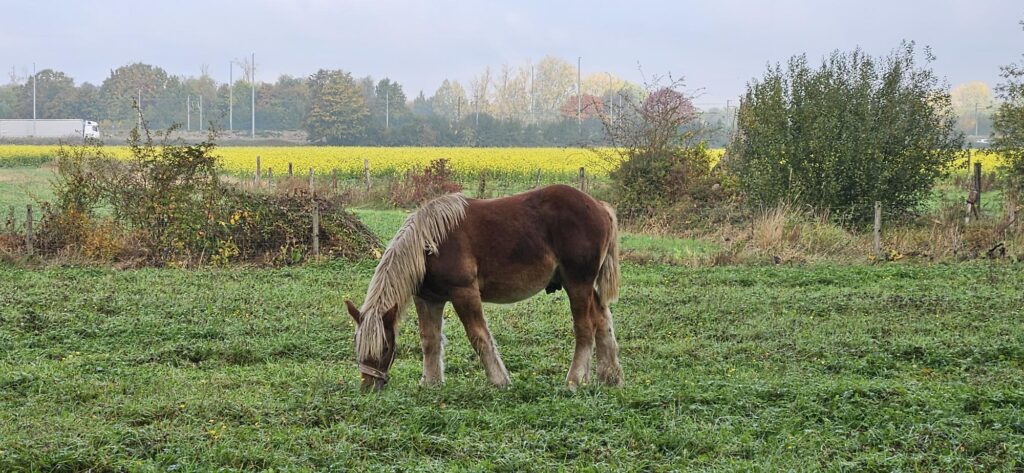
Each morning, as I walk by yellow fields of corn, rapeseed, and sunflowers, I stroll past goats, sheep, horses, deer—even stray donkeys—and feel alive in every cell of my being. Witnessing the spirit of these animals existing in nature in their purest form comforts me, nurtures my soul.
My boots tread over familiar dirt paths. Horses winney as I walk past. I don’t know their names, yet I call out to them and wave.
This daily practice of witnessing nature’s gifts guides me in many areas of my life. Being present with such beauty and simplicity helps me make decisions—major ones, like where to live, and whom to work with—and minor ones, such as which flavor of tea to sip after lunch.
I’m following the footsteps of my grandfather, who spent an hour strolling before work each morning. Spotting colorful birds in neighborhood trees kept his mind alert, and his soul intact.
Starting my day by being fully present to each moment in nature brings me hope for the future of our planet, and all living beings. The practice teaches me compassion. That is why I dare to believe that somehow, all the messes that humans have created up to now will work themselves out.
In the meantime, however, I am ready to be a catalyst—and a deep listener—to take action and help others understand how important it is to protect all beings on Earth, and our planet. For we are all deserving of safety, love, compassion, and kindness.
I hope this post resonates with you. Even if it doesn’t, try to appreciate the bountiful gifts of nature surrounding you. Even if it’s a tiny plant on your desk. Contemplate it. Touch its soft leaves. Thank it for existing.
How do the precious gifts of nature make you feel? What is your favorite contemplative practice?
I am an interfaith spiritual director who enjoys working with people from all backgrounds, and spiritual and religious traditions. I am very open and affirming of the LGBTQIA+ community and folks who are neurodivergent. I am currently accepting new spiritual direction clients; please use the contact page on this website if you would like to meet or obtain further information about spiritual direction sessions with me.
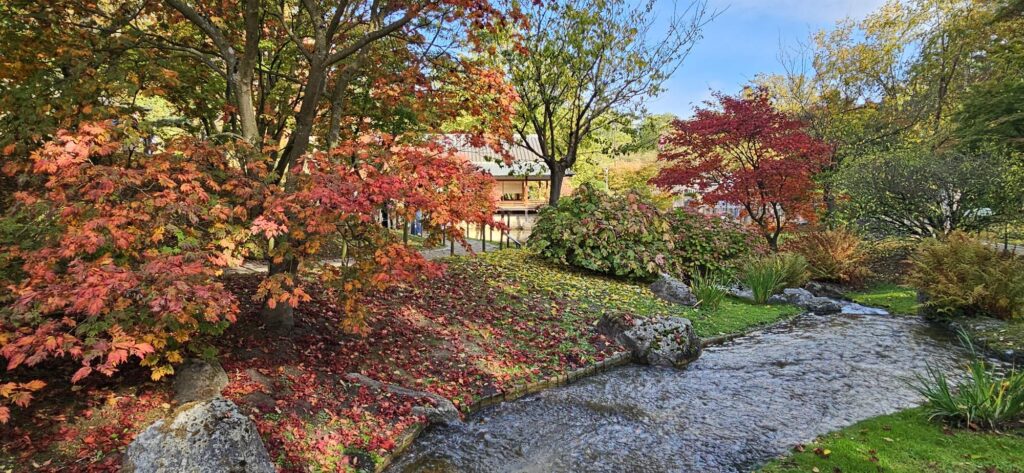
Words on writing as a practice (spiritual or otherwise). It takes patience!
In addition to working as a spiritual director and transitions coach, I write and publish books under a pseudonym. It has been seven years since I started writing my third novel, and I’m currently waiting for a potential publisher to say “yes” to my latest revisions and send me a contract. If all goes well, I will soon be working with one of their editors, and my next book should be released sometime next year.
Once a potential publisher asks a writer to make manuscript revisions, the writer can either politely decline this request or make some or all of the suggested revisions. In my case, I agreed with nearly all the revisions this publisher offered, so I spent exactly two months and four days rewriting my entire novel. This summer, while some folks were frolicking at the beach, or visiting ancient ruins, I was sweating away at my computer, reviewing every sentence and word of my latest manuscript—and modifying many of them.
At last, I sent the revisions back to the potential publisher. Now I have a chance to sit at my computer and breathe. In general, authors aren’t supposed to change anything in the manuscript while waiting for a publisher’s final decision, so I’ve been working on some short stories that I’d filed away for years. Two of them had been rejected nearly two decades ago.
Now I’m resuscitating them. Giving them new life. Injecting them with vigor, vitality, and love. It’s kind of fun. Like tinkering with an old engine, if you’re a mechanic. Or carving a portrait out of a block of marble, if you’re a sculptor.
After spending numerous years working with words to improve my prose, I believe I am a better writer than I was two decades ago. As I like to tell my creative writing students and coaching clients, “If you keep it up each day, your writing can’t get worse.”
Or can it? Many say: “Practice makes perfect.” But we’re not seeking perfection, are we? Perfection is boring, right? I’d love to hear what you think about perfection as it relates to your spiritual practice, or your practice of writing stories, books, poems, etc. As a spiritual seeker and/or writer, do you strive for perfection, or do you believe that imperfection leads to creativity and uniqueness? Or something else?
In any case, what signifies good writing? For me, it’s when an author’s words jump off the page and grab their readers by the ears. “Listen to me. I’ve got a terrific story for you. A well-crafted tale that will make you shiver, cry, sweat, laugh… Something meaningful that you’ll never forget!” Kind of like when you’re in the middle of a rather deep spiritual direction session with your spiritual director.
So today, as I wait for a final answer from the publisher, I sit here tapping away, composing sentences that emerge straight from my brain—without the use of AI. I might be a bit behind some of you, but I haven’t embraced AI yet. (It took me ages to accept the idea of digital cameras. As an amateur photographer, I only trusted analogic, manual cameras, and continued taking slides for years. Just like I balked at smartphones—at first.)
While I type, I take time to reflect and glance out my window. In this Fall season, I see multicolored leaves trickling onto the ground, one by one. Their bright yellows, reds, and browns in stark contrast with our green grass and gray, Belgian sky.
The sight of each bird flitting onto the grass, each leaf swirling in the air, nudges me to meditate more, pray more, and trust our human species. Trust our human condition, no matter how flawed it seems. And trust in our future, and the future of our planet, and all living beings. I believe that somehow, all this mess that humans have created will work itself out.
In the meantime, I am ready to be a catalyst—and a deep listener—to take action and help others understand an important message of Spirit: we need to protect all beings on Earth, and our planet. For we are all deserving of safety, love, compassion, and kindness.
As a writer, spiritual director, and coach, I attempt to humbly express what comes to me in all forms: words, art, pictures, images. Do you do the same? What is your daily practice?
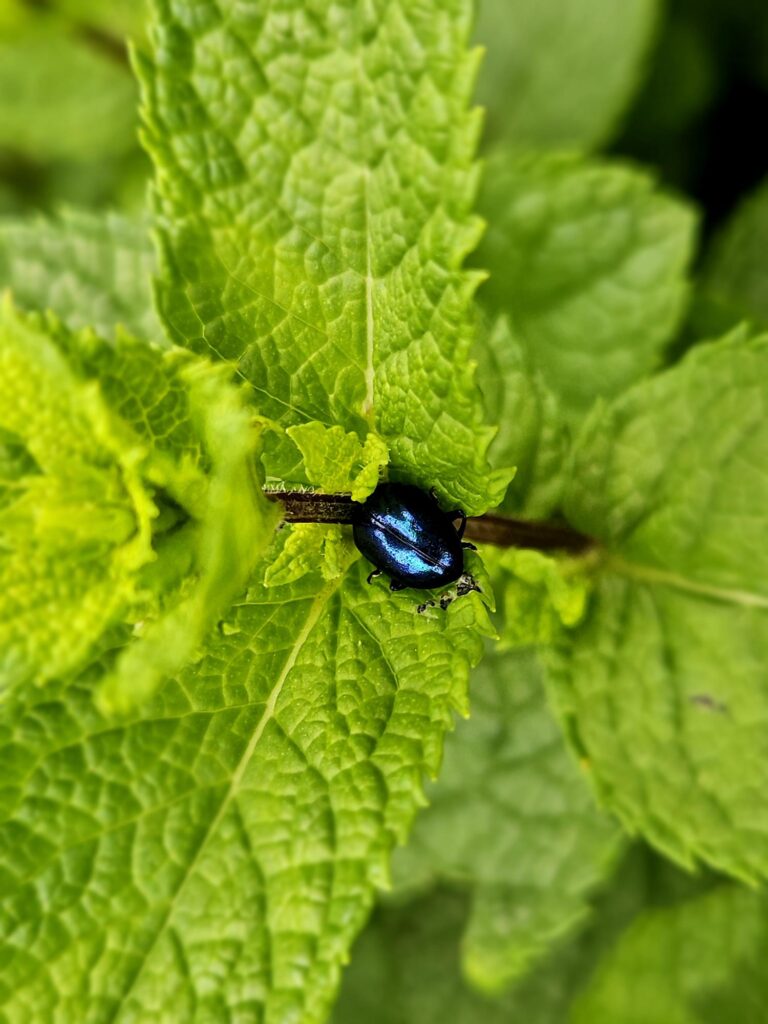
Visit from an Unexpected Spirit Messenger
Like many of my colleagues, I offer online spiritual direction sessions, and each day, I realize how lucky I am to be able to work with directees living anywhere in the world. I also realize how fortunate I am to meet regularly with professionals who offer the same services as I do, even though I currently live in Belgium, and most of them reside in other countries.
Yesterday, I was in an online meeting for spiritual directors. When the presenter placed us in breakout rooms, I found myself with two other like-minded souls. We had just finished introducing ourselves and were sharing our thoughts about the prompt that we had been given. Our answers reflected our unique backgrounds and experiences regarding religion, spirituality, and our distinctive ways of helping people as spiritual care providers.
When it was my turn to speak, I mentioned a particular sore spot in my past, which brought up some pain. In these online meetings between colleagues, we can sometimes find ourselves feeling vulnerable, especially when we don’t know the other participants. However, because we are spiritual directors and companions, we trust that what we say about ourselves in breakout rooms—in sacred, brave spaces—will remain confidential.
Yesterday, I felt safe, and deeply listened to. I began explaining a hurtful incident that I had experienced in my youth. Growing up in the USA as a young, queer woman, I had been searching for spiritual guidance in a society that wasn’t always accepting of people like me. Friends from the new church that I had been attending had called us “sinners,” which bruised my heart and soul. I ended up leaving that church.
And now, decades later, I was retelling this incident in the breakout room when, mid-sentence, I glanced up and saw a huge brownish orange spider (or was it a long-legged bug?) inching up the wall—right above my computer screen—while I was trying to express myself.
I cried, “Oh!” and my hand flew to my chest. I gulped and told my colleagues about the huge beast scaling my wall. I’d never seen something so ugly before, IN MY OFFICE, which I had vacuumed only two hours earlier.
One of the participants, a practitioner of Shamanic traditions, told me that this might be a sign from the Spirit: a Spirit Messenger. I took note of this, and when I stopped speaking, the bug, or spider—which was as long as my pinkie, if you included its legs—disappeared. Just like that. Gone.
The practitioner of Shamanic traditions advised me to ask the bug, or spider, what message it had for me—and really listen to its answer. And trust it. That sounded like a great idea. However, I couldn’t find the beast last night, or this morning.
So, now I’m sitting at my computer, reflecting on the answers that I received. I’d spent twenty minutes meditating on this question this morning. I’d asked the bug, or spider—the Spirit Messenger—what its message was for me. And during that time, I’d felt calm, peaceful… Almost joyous. And when I was done, I understood this unexpected message of Spirit—straight from the natural world to my office wall.
It was nudging me to meditate more, pray more, and trust our human species. Trust our human condition, no matter how flawed it seemed. And trust in our future, and the future of our planet, and all living beings. Somehow, all this mess will work itself out. And in the meantime, get ready to become a catalyst—and a deep listener—to take action and help others understand this important message of Spirit: help protect all beings on Earth, and our planet. For we are all deserving of safety, love, compassion, and kindness.
As a writer, spiritual director, and coach, I do my best to express what comes to me—in words, thoughts, and feelings. And not necessarily in that order. As humans, we don’t always recognize the messages that sweep through our heads, hearts, and bodies. We all know that feeling isn’t the same as thinking, or writing. Yet they are interconnected.
I am an interfaith spiritual director who enjoys working with people from all backgrounds, and spiritual and religious traditions. I am very open and affirming of the LGBTQIA+ community and folks who are neurodivergent. I often immerse myself in nature to find peace, and solace; and sometimes, nature comes to me. Like yesterday.
To conclude, I plan to follow the gentle advice from yesterday’s unexpected Spirit Messenger. Now that I know it’s harmless, I’ll keep checking my walls, and under my desk, in case I get another visit today.
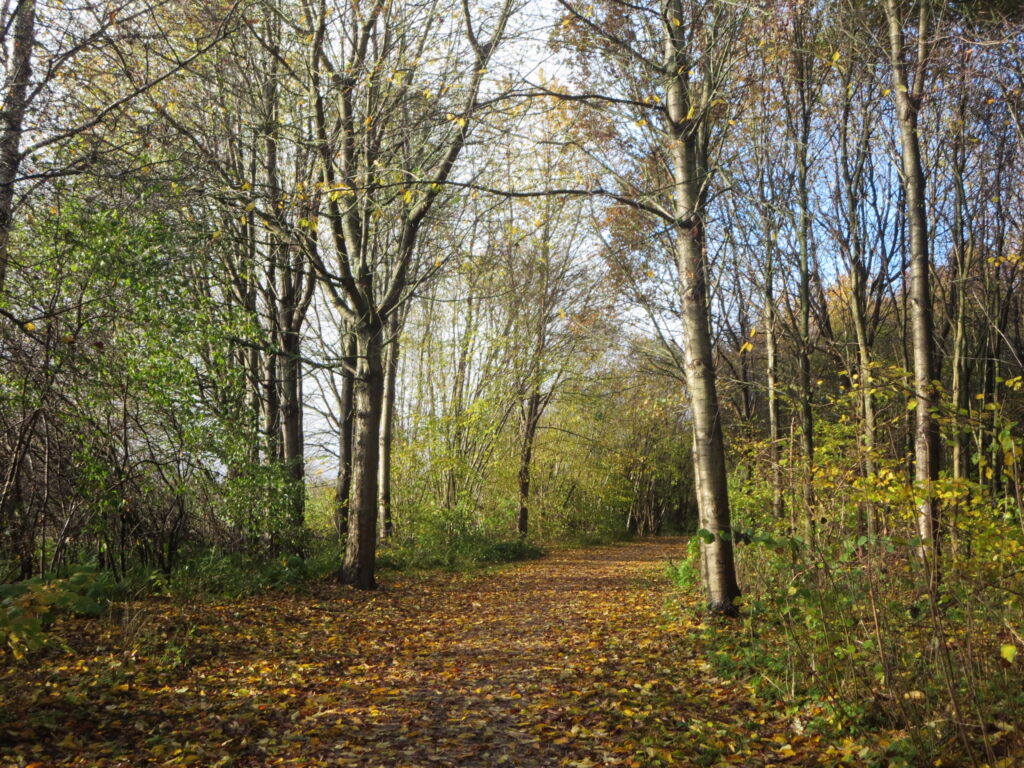
Teaching qi gong and living fully in mind, body, and spirit
Over twenty years ago, while I was living in Japan, I studied Buddhist and Taoist martial arts—qi gong, tai chi, kung fu, and karate—with Chinese and Japanese masters, as part of my PhD research. I am still using the basis of these teachings in my daily life: especially meditation, mindfulness, and a deep appreciation for the natural world and all sentient beings, through the practice of qi gong.
As a mindfulness-based transitions coach, creative writing coach, and spiritual director, I strive to use what I have learned in my lifetime to help people. Being of service to others, helping them explore their creativity and passion, and find their unique place in the world, is what I feel called to do.
For example, for the past few years, I have been teaching a qi gong class to seniors in a local park. It gives me such gratitude to offer this Chinese martial art, which I learned so long ago from my Chinese and Japanese senseis in Japan, to my community.
It’s a thrill to watch my small group of students—aged sixty-five to eighty-seven—gain balance, muscle strength, and flexibility as they work with increased focus and breath while practicing each week’s series of gentle, physical exercises.
They are learning the importance of staying in the present moment as we move our qi, or vital life energy, outdoors together, under a circle of trees. Each time I see the early-morning smiles on their faces, the influence of this Taoist practice from thousands of years ago makes my day.
Incidentally, I teach the class in Dutch, which is my fifth language, so sometimes I make a mistake or two… Like when I confused clouds with carrots during my very first lesson, which made everyone laugh. Luckily, laughing each day makes us live longer, and happier, doesn’t it? I’m pretty sure there’s scientific research out there to prove it.
In any case, Thich Nhat Hanh, revered Buddhist monk and Catholic priest, was right. It’s important to give back to our communities and stay involved with those around us. As we continually evolve, we all develop specific knowledge and talents, and I personally feel we are each here for a purpose.
In addition, we can make conscious efforts to be present and attentive to our surroundings, and treat each living being with kindness and generosity; even those sentient beings that inhabit mountains, oceans, lakes, and forests, like the pine trees towering over our heads, or worms wiggling at our feet.
To live healthily and stay aligned with our values and intentions, we might consider living each moment as if it were our last. Because in all likelihood, we will never be certain when that final moment will arrive. So, as I tell my qi gong students, whenever possible, enjoy each moment to the fullest. And try to laugh at least 27 times per day!
What do you do to feel healthy in your mind, body, and spirit? What makes you smile and laugh? Whatever it is, try to do more of it each day!
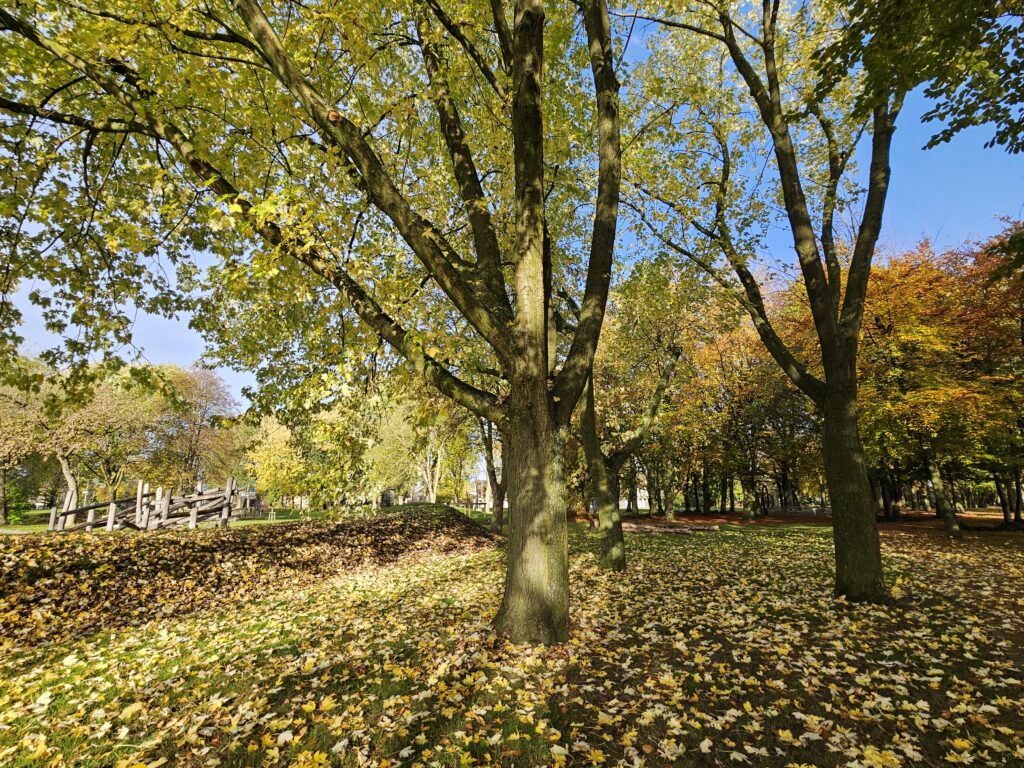
Enjoying a sunny, Sunday afternoon and giving back to our communities
Once again, it’s a sunny Sunday afternoon in Brussels. I’ve just gone for a long walk in the forest with my partner. We relished the cool breeze on our faces as we walked amongst the pine trees in silence. Occasionally, I looked past the tall branches over our heads to glimpse the powdery blue sky and handfuls of clouds poking through, like gifts from heaven.
The dusty smells and crunches of our dirt path, and pinecones scattered near our feet, marked the end of yet another summer. We’ve been lucky this year. It’s been warm and pleasant in Belgium—not rainy like last year. I feel grateful for this unexpectedly clement weather and feel terribly sad for those in many parts of the world, especially southernmost climates, who are facing forest fires, draught, storms, and extreme flooding.
Nature has a special way of affecting humans, even if we don’t always notice it. Many of my friends, colleagues, and clients may not know this, but I did my Ph.D. dissertation on human lifestyle and sensitivity towards nature. I spent six years in Japan conducting research; most of it concerned cultural differences between Japan and the West from a religious perspective.
I studied in libraries and university classrooms, and spent most weekends in forests, lakes, temples, shrines, festivals, on mountains, volcanos, and rice fields. I have wonderful memories of all the kind people I met in those places.
In Japan, appreciating the community in which one lives is extremely important. Thich Nhat Hanh, who was a Vietnamese poet and peace activist, both a Buddhist monk and Catholic Priest, and a renowned spiritual teacher and author, spoke of the importance of participating in one’s community, or Sangha.
I received much inspiration from his teachings, in his many books, and through the wisdom that he passed to my teachers and mentors. So, when I finished my degree in Japan, I returned to Belgium, vowing to offer some of the gifts that I’d learned in Asia to my community.
While I was in Japan, I studied Buddhist and Taoist martial arts—qi gong, tai chi, kung fu, and karate—with Chinese and Japanese masters, as part of my research. Now, over twenty years later, I am still using the basis of these teachings in my daily life: especially meditation, mindfulness, and a deep appreciation of the natural world and all sentient beings, through the practice of qi gong.
As a mindfulness-based transitions coach, creative writing coach, and spiritual director, I want to use what I have learned in my lifetime to help people. Being of service to others, helping them explore their creativity and passion, and find their unique place in the world, is what I feel called to do.
For example, for the past few years, I have been teaching a qi gong class to seniors in a local park. It gives me such gratitude to offer this Chinese martial art, which I learned so long ago from my Chinese and Japanese senseis in Japan, to my community.
What do you feel called to offer your community?
Thoughts on a hot summer day
It’s a hot summer day.
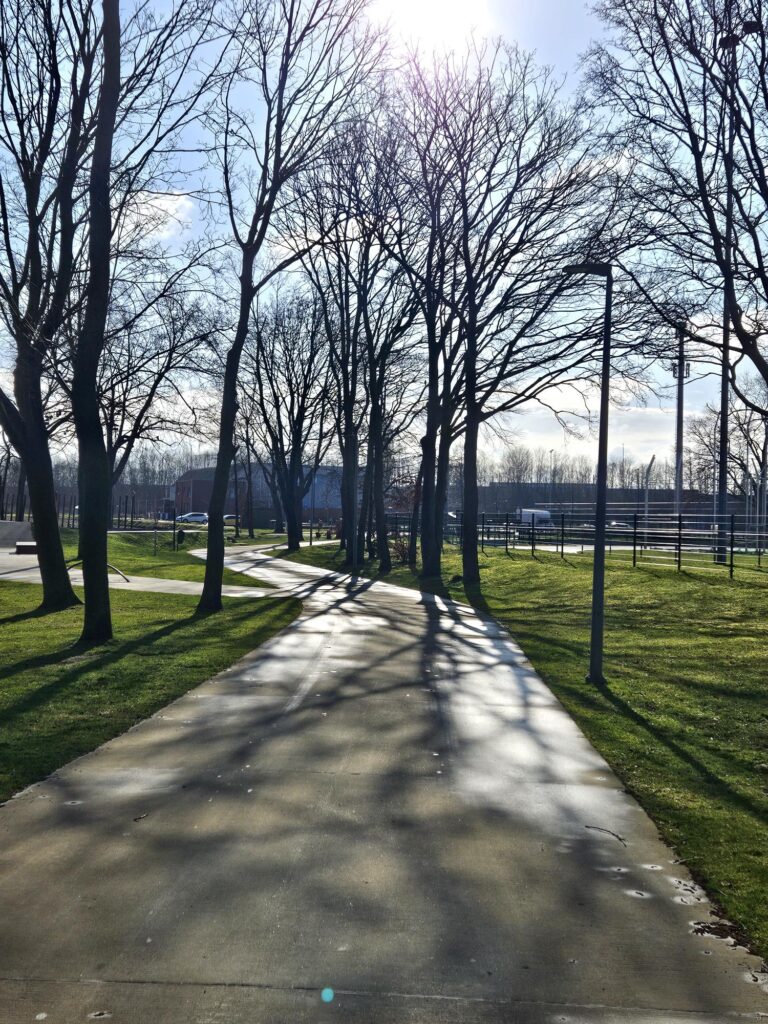
As usual, I took a slow walk in nature today, seeking quiet time and solace amongst the leaves, green grass, and bees buzzing in the wind.
We can all do this: pay attention to what shimmers for us, what evokes our name as we walk through deep forests, witness waves crashing against the sand. Nurturing our souls with the gifts of our surroundings.
It’s a matter of practice. Even as children, many of us long to be part of a bigger picture. Our world is surrounded by hopes, and dreams—even those that shatter.
Taking a few moments each day to appreciate what we’ve been given; the delicacies of what we can hold in our hands, smell, and taste. This is what makes life worth living. This is what brings me joy when I wake up each morning. Even if it’s gloomy outside. This, too, shall pass.
Each day, through writing, I express my heart’s aches and yearns. Notebooks fill my dresser, my closet, old suitcases. Reminders of musings… of what was—what is—and a future that hasn’t yet arrived. I invite this future into my life with open arms while savoring the many gifts of today.
Writing helps me reflect on how my body, mind, and spirit work, and how each moment in my life is precious. Through writing, I want to share these moments with the world.
You might want to try it, too.
Savoring each precious moment
It’s a cool day outside. Although sunlight drips through the pine trees, warming my skin, humidity chills my insides. When I read the news, a similar chill grips me.
As I wrote in my last post, it’s a challenging time for most of us around the world.
Like many humans, I find myself seeking solace amongst nature’s gifts, witnessing intemporal moments in life: unfurling blooms, bubbling creeks, fertile grass.
Each day, I fill notebooks—longhand—pouring out the aches and yearns in my heart.
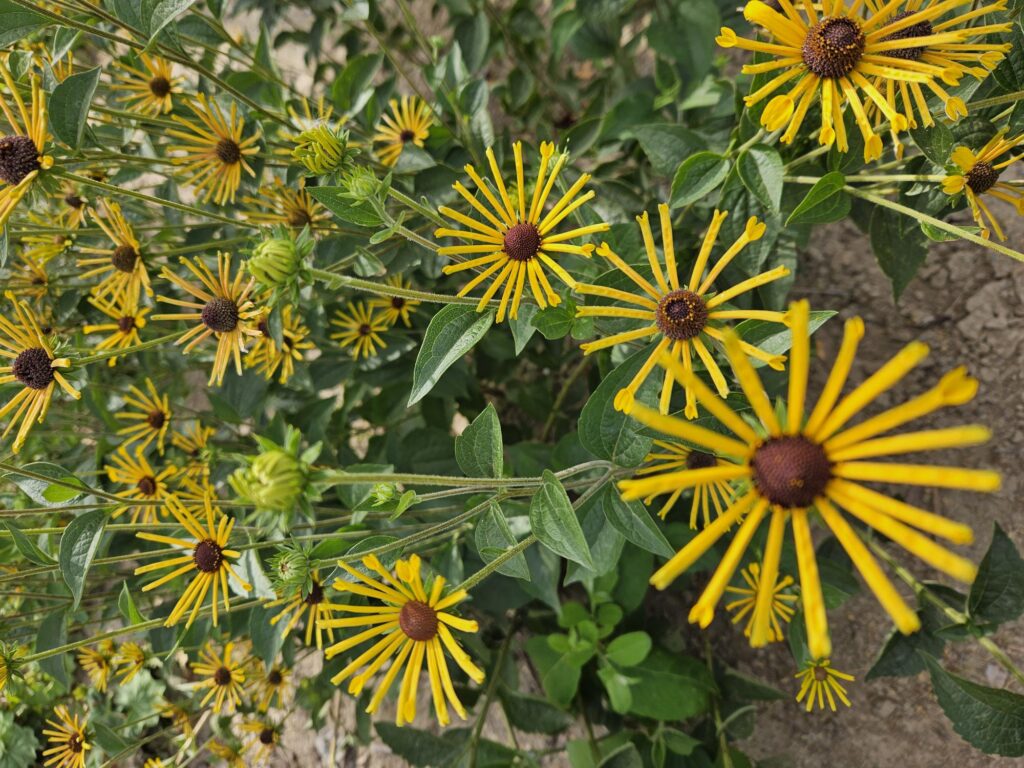
Then I hit the road for a half-hour, caressing coral-colored petals, dipping my fingertips in the creek, sidestepping baby shoots of grass.
Once again, this meditative practice in nature—tactile and intentional—helps lift my spirits when all seems so bleak. I perform this ritual each morning, even while travelling. It opens my senses, welcomes all that surrounds me, all that lurks inside. It shows me how I am alive. And how each moment is precious.
You might want to try it, too.
I would love to hear your thoughts about your own morning practice, or rituals. Feel free to reach out to me via the contact form.
The sun is out in Brussels: Decluttering AGAIN!
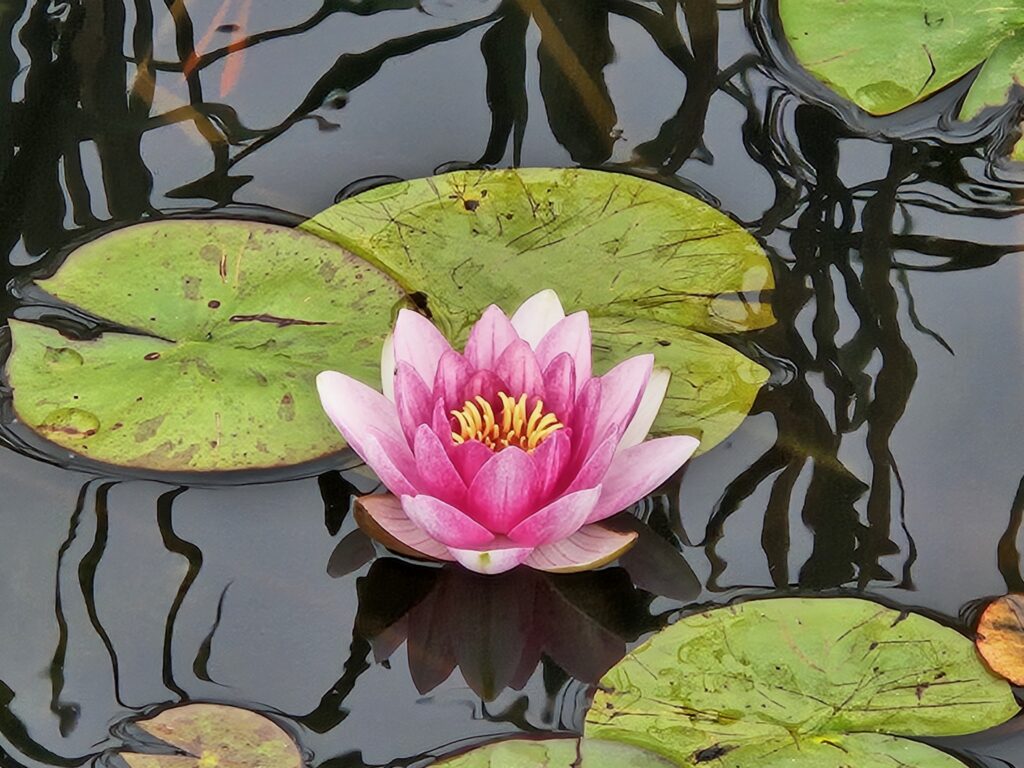
The sun is out in Brussels. It’s amazing how warmer weather, and flowers poking through dormant gardens, can make some of us feel better about things.
Around the world, it’s a very challenging time for most of us. Yet seeing a patch of blue sky, surrounded by the sun’s soft yellow light—a rarity in Belgium—can enhance even a gloomy day.
Although it’s great weather outside, I’ve been busy in my home and office…decluttering. After nearly three months, I’m finally building new, more sustainable habits. I’m feeling lighter, energized, and ready to tackle even more.
I must admit, though, I’m getting some fabulous help from Joshua Becker, from Becoming Minimalist, a well-respected author of several books extolling the virtues of minimalism: https://www.becomingminimalist.com/
I’m in Week 8 of Joshua’s 12-week online Uncluttered Course. I convinced a friend to do the course with me; we’ve been meeting every other week to check our progress, share before-and-after photos, and motivate each other to do even more. Yes, the buddy system works!
In this course, we get weekly videos, motivational emails, live calls, and tons of other resources that help us learn how to declutter our homes—and keep them this way.
On Monday, I proudly packed up more boxes to drop off at our local charity. My third carload! Friends are asking me, “But won’t you miss your things?” or “Won’t you regret this down the road?” And I tell them, “Not at all.” And that’s the truth.
Moreover, Joshua talks about the significance of generosity, and I imagine that what I’ve given away so far—gently used clothes, unused kitchen appliances, books, stuff that was filling my drawers and closets—will go to good use. It’s a healthy practice to be generous with our possessions and learn to share when we can.
Now, as I contemplate the sunlight filtering into my window, I feel even lighter. The vision helps lift my spirits, when things everywhere appear so bleak.
I would love to hear what you think about decluttering, or sunlight filtering through your window, or how you start your day. Perhaps writing in your gratitude journal, or praying, meditating on a cushion, or walking outdoors barefoot in the tall grass? Feel free to contact me via my website form.
Lastly, to help lift your spirits during these challenging times and interact with a friendly and inclusive community of fellow creatives, consider joining my next Mindfulness-Based Creative Writing Workshop: Prompt Your Passion. This is a great way to awaken your creative flow as a writer, through mindfulness and intuitive expression.
Participants in my next online workshop will be inspired by a series of in-class prompts using poetry and pictures. (These are pictures I take myself, each week, just for the workshop.) The aim is to boost your creativity, interact with other writers and creatives, and deepen your intuitive expression in writing through contemplative practices. Please contact me through the website form for more details.
Decluttering, mishaps, gratitude and staying mindful
Right before the holidays, I wrote about my decluttering experience in my office. I ended up donating dozens of books to a local charity and felt much better afterward. Life seemed lighter, and more joyful. I concluded the post with these words:
“What I wasn’t expecting was the accident. What accident? With my boxes of books? Don’t worry, I’ll explain it in my next post. Hang on!”
Perhaps because it was during a busy holiday period, but nobody seemed concerned. At least I didn’t get any “What happened to you?” or “I hope it wasn’t serious!” messages from family, friends, or strangers. What a relief.
In all, I had three accidents. First, while I was carting away my books, a bungee cord sprang and hit my left eye, right above the eyeball. Then, when I was getting ice from our freezer in the garage, to place over my eye, I slammed my finger in the door and had to ice my finger.
Next, two days later, because I couldn’t see clearly, I banged my other eye against the doorjamb when I ran to answer the door. Again, I had to sit with ice on my face while I chatted with my visitor.
Of course, I could’ve been upset after these accidents, yet I realized how lucky I was. They taught me valuable lessons in gratitude. The results of slamming and banging could’ve been much worse. This morning, two weeks later, I went to see an ophthalmologist to make sure I hadn’t ripped or rattled something ocular that didn’t need ripping or rattling. She reassured me that all was fine, before telling me about a patient who hadn’t been as lucky with his gardening tools.
Gratefully, I take this as a humble lesson to be present as much as possible in my life. Like some people, I have a tendency to run, rather than slow down. So today, after my eye appointment downtown, I walked slowly, on purpose, doing what we call leche-vitrines (window-shopping; literally, “licking storefront windows” in French). I tried to notice all that surrounded me: crowds, trams, bare trees, even stinking garbage cans.
Then I took myself to a restaurant and didn’t look at my phone or read a book (unlike lots of folks dining alone). Instead, I practiced mindful eating and thoroughly enjoyed my hot and spicy Asian soup. As I allowed my senses to savor my meal—its taste, aroma, and texture—my eyes took in the restaurant’s lovely decor. It was a memorable, peaceful lunch.
When I met with my spiritual director last night, I mentioned the three accidents. She agreed that they could be signs to remind me to slow down and “smell the roses.” Something I often advise my clients to do. Yet I don’t always do it myself.
I’m sure I’m not the only person who has learned valuable lessons from unexpected accidents. I’d love to hear your thoughts or experiences. Feel free to share them with me through the website form.
Lightening our Spirits and Surroundings: Decluttering
Yesterday, I started my new decluttering regime in full force. I’d put on my new age music, set the space heater to a comfortable setting, and was raring to go. First, I attacked my office bookcase (which took a few hours since I’ve got hundreds of books).
“Does this spark joy?” I asked myself, gazing at each cover, closing my eyes to feel how the book felt in my palm, as Marie Kondo, the Japanese expert on tidying up our homes, suggests in her book, “Spark Joy” – a magnificent book that I will not be giving away.
I was also inspired by minimalist expert Joshua Becker, author of “The More of Less: Finding the Life You Want Under Everything You Own” (another great book that I will be keeping). His regular “Becoming Minimalist” email messages keep me on my toes, too.
I’m a collector, and as an author, editor, and creative writing coach, I love my books. They are my loyal friends; they keep me motivated throughout the dark, gloomy winter days in Belgium. Anyway, yesterday, I was proud of myself.
While listening to gentle, virtual waves on the beach, I’d tossed my sweatshirt and weeded out thirty volumes—mainly books on the craft of writing, novels I’d already read, how-to books, self-help books, management books, and those I knew I’d never peruse again.
For over three decades, I’d lugged them from California to Belgium, then to Japan, then back to Belgium, back to California, and finally back to Belgium. It was time to lighten my load. These lovely books deserved a good home on someone else’s bookshelves.
What’s more, the weeding process allowed me to find treasures I hadn’t seen in years: 25 bookmarks, cards from old friends, odd shopping lists, stamps from faraway countries, and doodles sandwiched between dogeared pages.
What’s your experience with decluttering, tidying your office or home, and/or selecting books to donate or sell? Please share your thoughts by contacting me through the contact page or via LinkedIn.
Lifting our Spirits with Nature: Magpies
Peering out my kitchen window this morning, I spotted a magpie in the garden. Decked in its regal uniform—silvery blue, black, and white—it poked at the ground, searching for edibles under piles of fall leaves.
As if vexed by my stare, it shrugged its feathers, flapped its wings, and soared off. Anything to escape the chill.
Lately, as winter approaches and the days grow shorter, I’ve tried to lift my spirits by searching for signs of beauty in nature. Like magpies. They carry a mean reputation, yet from where I stood, this bird seemed innocent and lovely. Just another creature searching for breakfast.
Despite the sadness and angst that arises with the global news, I strive to maintain hope each day. Through writing, art, contemplation, and teaching, I hope to bring beauty and peace into our world. Together, we are strong.
I would love to hear how nature helps you start your day. Feel free to contact me directly via the website form.
Beneficial Effects of Contemplating Raindrops
The rain is pattering outside, while I sit indoors contemplating the drops streaking down my living room window. Have you felt the beneficial effects of contemplating raindrops, rays of sunshine, or snowflakes?
Today, like every morning, I took a leisurely walk in our local park and contemplated the trees, grass, and dark clouds overhead. I made it home just in time—before the clouds released their burden, dropping buckets of rain across the land.
In Belgium, where I live, we’re used to rain. Yet hopefully it will be sunny tomorrow morning, so I can offer my weekly qi gong lesson to seniors in our local park. It’s fun to be part of this group, moving in unison, slowly, deliberately, with mindful awareness. I love hearing birds chirp and leaves rustle as the sun filters through tall pine trees, warming our skin.
When it rains, like today, we go inside the local sports complex, where we can practice this ancient Chinese martial art as raindrops dance over the massive windows. Observing, listening, taking time to be present… Like I’m doing right now, in my living room.
This is how my morning is going so far. This impromptu contemplative rain dance will most likely have a lasting, positive effect in my brain by increasing its flow of consciousness, creativity, and awareness.
I would love to hear how your day started. Feel free to contact me directly through my website form.
Whit Monday: Reflections, Obstacles, and Discernment
Yesterday was Whit Monday, referred to as Lundi de Pentecôte in French, or Pinkstermaandag in Dutch or Flemish. All shops were closed, and most people didn’t have to work, since it was a bank holiday here in Belgium: a holy day, a time for everyone to rest, gather their families for picnics in their gardens, at the seaside, or local parks. Some folks—mainly the elderly—traversed the cobblestone roads to attend morning Mass in my village. Others preferred to do their spring cleaning, washing windows and scrubbing their cars, yet not cutting their grass or trimming hedges, as this is forbidden in Belgium on Sundays and holidays.
Yesterday afternoon, I took a stroll through our local park to get some fresh air and inspiration. Nature is a healthy option for combatting stress and fatigue; it nourishes my soul. As I wandered down the dirt path through rows of sturdy trees, I noticed how green their leaves were, and how high the grass had grown. For once, it was sunny and warm outside. We have had an unusually rainy, cold winter.
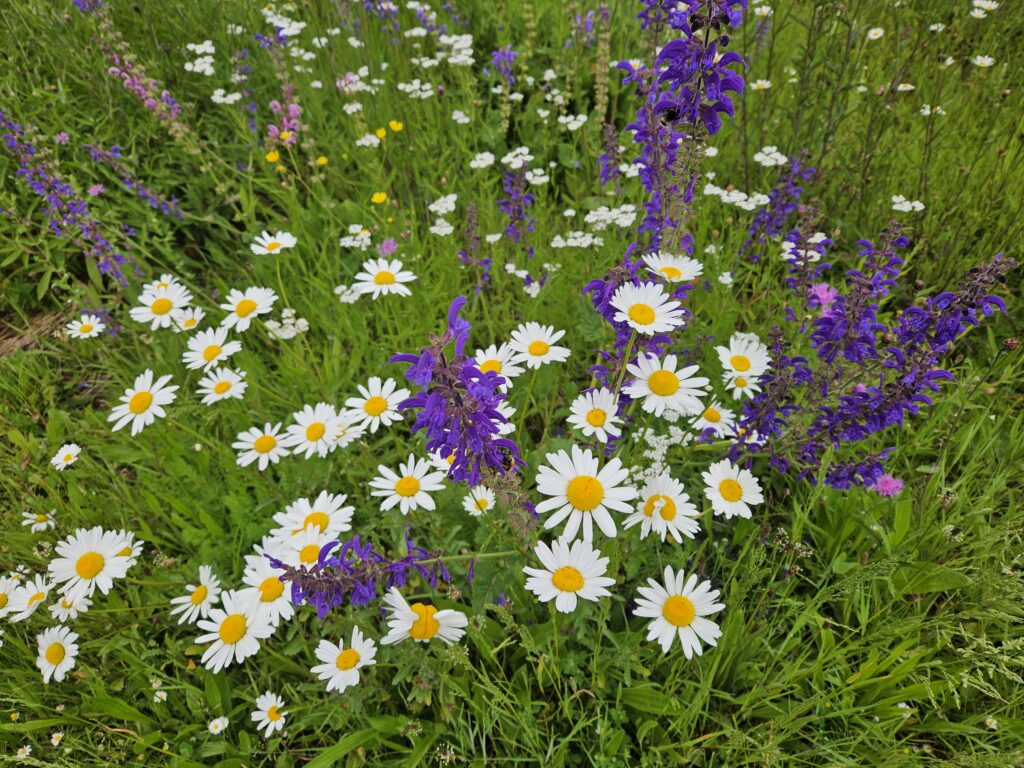
For the past few years, our commune or gemeente (‘municipality’ in English) has decided not to cut the grass during the entire month of May, to make our region more bee-friendly, allowing wildflowers to grow, so bees can pollenate. Lately, we have experienced a steep decline in bee populations, most likely due to habitat loss, pesticides, and global climate change. I’m glad that most inhabitants in my village are aware that pollination from insects, especially bees, is vital for ensuring biodiversity and sustainability in plants and crops. Thus, they abide by this informal rule, as evidenced by the calf-high blades of grass, interspersed with blossoms, in their yards.
Obstacles on my path
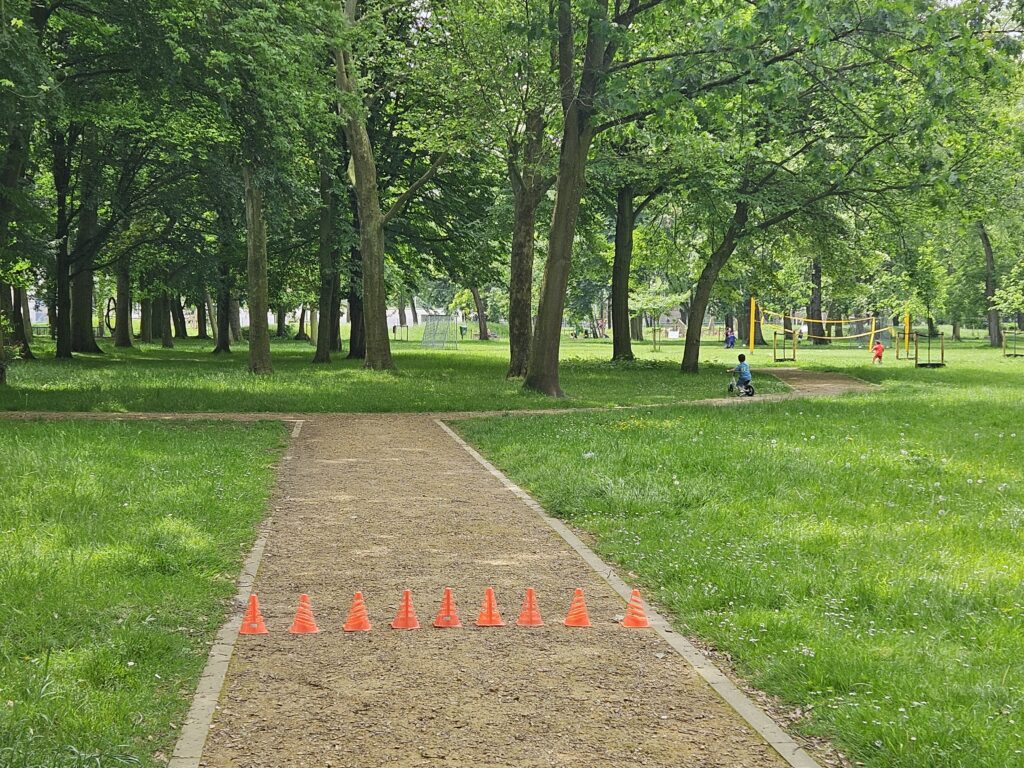
As I meandered through our park yesterday—taking in the vivid colors of wild dandelions, daisies, bee balm, snapdragons, crocus, lavender, foxglove, coneflowers and cosmos—I saw a few families picnicking in the sun. Then, a few yards away, I spotted a young boy in a blue shirt. He seemed barely old enough to steer his bicycle, which became evident when he zigzagged right in front of me on the narrow dirt path. When he abruptly stopped, I skirted around him and continued on my way. To my surprise, he cranked his pedals, wobbled next to me, rode a bit further, then turned his wheels to block my passage again. Surprised, I stopped, glanced at his parents, who were hoisting a volleyball net, sidestepped him, and continued down the path. This happened again and again. Each time, he looked up at me with a grin.
“So, we’re having an obstacle course, are we?” I thought to myself, smiling.
Changing course: unexpected findings
Remembering how bored I sometimes got as a kid, I played along for a while, appreciating how his eyes twinkled each time he blocked my path. At last, either he tired of the game, or else I went too far ahead, veering right at the fork, instead of left, as I usually do. A few paces later, buried in the grass beside a tree trunk, I found a plastic object. It appeared to be a charger for someone’s hearing aids, which made sense since I was near our local rusthuis (assisted-living center for senior citizens). I went inside to return it. But since it was a holiday, the reception was closed. When leaving, I noticed some brochures. One was on dementia, and others explained about living in the center, and its service flats across the park. I took a few brochures.
This discovery was timely, yet something I had wanted to avoid thinking about. Someone close to me had lost much of his memory after he suffered a heart attack exactly a year ago. His family had been putting off discussing what to do next. These brochures could help the family make some difficult yet important decisions.
Indeed, yesterday’s walk led to meaningful discoveries. When I rounded another bend, the young boy on his wobbly bicycle smiled at me through the trees. This time, his entire family laughed as I skirted his bike each time he skidded to a stop. After a while, I noticed orange cones up ahead. Someone had placed a row of these small, conical objects in the middle of the dirt path, probably to prevent the boy from riding out of the park—safety obstacles from people who cared: most likely, his loving family.
Spiritual direction: helping others navigate life’s decisions
In our capacity as spiritual directors we help our clients—our spiritual directees and companions—navigate the spiritual meaning that permeates their lives, including any unexpected obstacles that may crop up. We do our best to offer them a sacred space, and quiet, contemplative moments, to help them find discernment for their most important questions. During spiritual direction sessions, brief moments of grace—divine light and love—may illuminate their thought process: they may realize what they need to do, or perhaps not do, at any given time. Sometimes, what is needed are merely moments of silent reflection.
In our ministry, we strive to offer our clients a safe, accessible place—even through online sessions—to help them understand the most pressing matters that arise in their lives, whether spiritual, professional, or personal. This is why we usually adopt our clients’ specific terms regarding how they choose to name the Divine: God, the Holy, Buddha, etc. And, like many of my colleagues, I respect the fact that some of my clients prefer not to identify with theistic terminology or ideology at all.
Discernment and contemplation, along with a hefty dose of patience, help us decide what is right for us and our loved ones: whether to act, react or respond in accordance with what we feel deep down, what we feel in the moment…what comes across our paths. Yet, despite our best intentions and planning, we might find ourselves unexpectedly derailed—like my loved one’s heart attack and sudden loss of memory, and the burden it has placed on his family, especially his spouse, who must now bear the role of constant caregiver.
Just in the past week, two of my friends have experienced enormous loss through chronic illness and the abrupt death of a partner. It is so hard to navigate the shock, pain, and grief that arise during devastating times like these. Illness, accidents, and death are occurrences most people never want to go through, nor discuss, even though they will eventually touch most of us, or our loved ones, at some point. That’s how life works. However, despite the intense feelings of sadness and sorrow that stem from loss, life is still beautiful. That is why it is important to remember to cherish the moments and things we have, such as tall grasses and fragrant flowers in spring.
I am grateful for the inspiration I received in the park yesterday. Now, as I sit at my computer—overlooking my overgrown lawn and its wildflowers—and type, I hope my slice of life in Belgium on Whit Monday, Lundi de Pentecôte, Pinkstermaandag, resonates with you. Wishing you and your loved ones blessings for peace and good health.
The Gift of Spiritual Direction: Appreciating Each Moment’s Fullness, As It Unfolds
On my morning walk the other day, I expected the usual greetings from passersby: “Hallo” or “Dag” or “Goeiemorgen” in Dutch (Flemish), but I saw nobody. Instead, my local park’s bare trees, trickling with remnants of icy rain, greeted me. Alone in my surroundings, I pushed ahead, my boots navigating a dirt path through the frosty grass.
I listened to the wind whipping through the trees while expecting to see a neighbor or two as I ambled along. The inhabitants of my village outside Brussels have become friendlier since COVID hit our world. Now, you don’t have to own a puppy, or stroll a baby, for people to say hello. Maybe it’s because I’m older, and my lifestyle has slowed down; I blend into this culture better than thirty-four years ago, when I first relocated to Belgium from California.
It’s nice to stop and say hello to others during my early-morning walks. These promenades follow my MPJ (meditation-prayer-journaling) time and get my heart pumping before I spend weekdays at my computer doing what I love: writing and meeting with clients. Like most spiritual directors, I cherish my work. There’s something unique about sharing meaningful time with directees—even some across the world—each month. I love how we get to offer sacred space to them, to help them reflect on spiritual matters—and non-spiritual matters—that crop up in their lives. I appreciate how, through practice, we have learned to open our senses, to observe and receive the many workings of God—or however our directees prefer to name the Divine—as perceived by those sharing these precious moments with us.
I appreciate how we have been trained, either through extensive training programs or years of experience giving spiritual direction, to hold space for our directees. Breath after breath, we remain patient, being with them each month as they navigate the unexpected—and sometimes unimaginable—workings that show up in their life situations, alongside their families, loved ones, and places of worship. Often, tears wet my eyes when I notice glimpses of light and blessings surrounding a directee during a session. I feel the compassion and love shining down on us, together, in moments of grace, lifting the directee’s heart and strengthening their soul, especially in times of emptiness and sorrow. In these moments, my soul grows as well.
As spiritual directors, we are committed to being fully present with our directees during our sessions each month, individually or in groups. We might be referred to as spiritual directors, yet we are more like special companions, guides, helpers, and overall, good listeners, to our directees. We devote ourselves to what we feel most called to do: create blessed space for welcoming all forms of communication—even the most subtle—with God, the Holy, the Higher Source of Wisdom, etc. We offer our directees a deep spaciousness: the opportunity to be unconditionally present with them. This spaciousness, between us and the Higher Source— sometimes referred to as the “third chair” in spiritual direction—allows our directees to feel, notice, and express anything that bears down on their souls and spirits. Then, to conclude our sessions, depending on the directee’s wishes, we pray together, or sometimes remain silent, basking in the gift of what has just transpired.
On that chilly January day as I traversed the park, braving the icy weather, I was in a contemplative mood. I reflected on how fortunate I felt to have been guided by an acquaintance to my spiritual direction apprentice training program, which I had just completed. I had been working with volunteer directees for ten months, from three different continents, and now it was time to launch my spiritual direction practice. I looked at the bare trees for answers. How would potential directees find me?
Suddenly, as I rounded a sizable pine tree, my thoughts skidded to a halt. I heard screams—loud and high-pitched, like a boiling tea kettle. The screams emanated from the skate park, ten feet away. With horror, I noticed a small, blond head, face down, on the cement rim of the skating rink. Heart racing, I ran over to the blond head and yelled, “Alles goed?” (Everything all right?)
“Ja.” Up popped a smiling face. The boy seemed about ten years old. He jumped to his feet, grabbed his skateboard, and proceeded to do a performance fit for a circus. I stood in admiration, watching him. After three precarious loops, he skated up to me, smiled again, and took off.
Like in spiritual direction, our directees come to us with stories—real-life bits of their existence—and we need to be ready. We might hear the scream, smile, heartfelt moments, good, bad, and neutral. That’s why it’s so important to care for ourselves fully, so we can open our hearts, minds, and souls to our directees, and offer them our complete attention. That is the gift of spiritual direction, and the gift a spiritual director receives every time: the fullness of each moment, as it unfolds.
Note: religious traditions across the globe have distinct ways of celebrating their faith. The tradition I was raised in, Christianity, welcomes prayers for love, compassion, and goodwill to all. So does Zen Buddhism, which I studied in Japan, as well as so many others. Prayerful messages like these translate into all world religions, faith traditions, ideologies, and languages. I hope they will help bring peace to all during this time of heightened global conflict.
Holiday Overwhelm? – Take a Ratatouille Day!
Many of us feel a sense of overwhelm when we see Christmas lights, Santas, bustling lines to purchase children’s toys, and a plethora of holiday activities. Some people simply shut down, while lots of us notice a feeling of overdrive in our bodies, minds and spirits.
As spiritual directors and companions, how can we settle our nerves as we face this busy season? Memories come flooding in—good, bad, and mixed—of meals with family, silly quarrels with siblings, animated card games, aromas of hot cider, eggnog, turkey, cranberries…
Each tradition differs. Holidays bring cheer, and sometimes, feelings of loneliness.
When we meet with directees during this time, we might pick up their feelings of loneliness or apprehension about holiday gatherings—even over Zoom. It’s not all cheer and celebration. Family tensions surge… Who sipped too much wine and got too merry? Who dug a fingernail into that chocolate to predict its flavor? Who grabbed last-minute deals on ugly sweaters, outmoded scarves, scraggly Xmas trees?
As we gather with our loved ones during this busy time, it’s important to carve out precious time for self-care. The worst thing for a directee is a frazzled spiritual director, right?
For example, today, my partner and I were supposed to brave below-zero weather to travel to a town an hour away. It started to snow, so instead, we put on soft music, prepared ratatouille (a savory French dish), and danced in our living room. After that, we cuddled on the sofa with hot tea and enticing novels. As the sun set, we basked in an atmosphere of deep appreciation. Meeting our friends wasn’t worth the risky drive, and staying at home brought us peace.
Creating restorative space is a necessary part of being a spiritual director or spiritual companion. If we can’t grant ourselves downtime to calm our emotions and nourish our passions (like reading, writing, music, making healthy homemade dishes) how can we be fully present for our directees? Self-care helps us open our hearts and souls to the wisdom that lies within (both us and our directees), and the loving grace offered by God, the Divine, the Holy, or however you name the Higher Source of Wisdom.
To conclude, if you are feeling overwhelmed or notice certain signs that you might be stressed (racing mind, nervous ticks, sudden headaches, stomach pains, loss of sleep, overeating, lethargy, etc.), it’s best to consult a medical provider. You might also consider taking a “ratatouille day.” Turn off your technological devices, put on music that inspires you, plan a time-out in your schedule—alone, or with a loved one, even a cherished pet—and chill.
This self-care solution will help you help your directees, by settling your mind and body, opening yourself to the Higher Source, and spreading much-needed love and peace to all.
Note from the author: faith traditions across the globe have distinct ways of celebrating their holy days. The one I was raised in, Christianity, welcomes prayers for love, compassion, and goodwill to all. So does Zen Buddhism, which I studied in Japan. Prayerful messages like these translate into all world religions, faith traditions, ideologies, and languages. I’m hopeful that they will bring peace to all during this time of heightened global conflict.
Many thanks to Teresa Blythe for the opportunity to contribute this post as a guest blogger for Spiritual Direction 101, which was also published on Patheos.com.